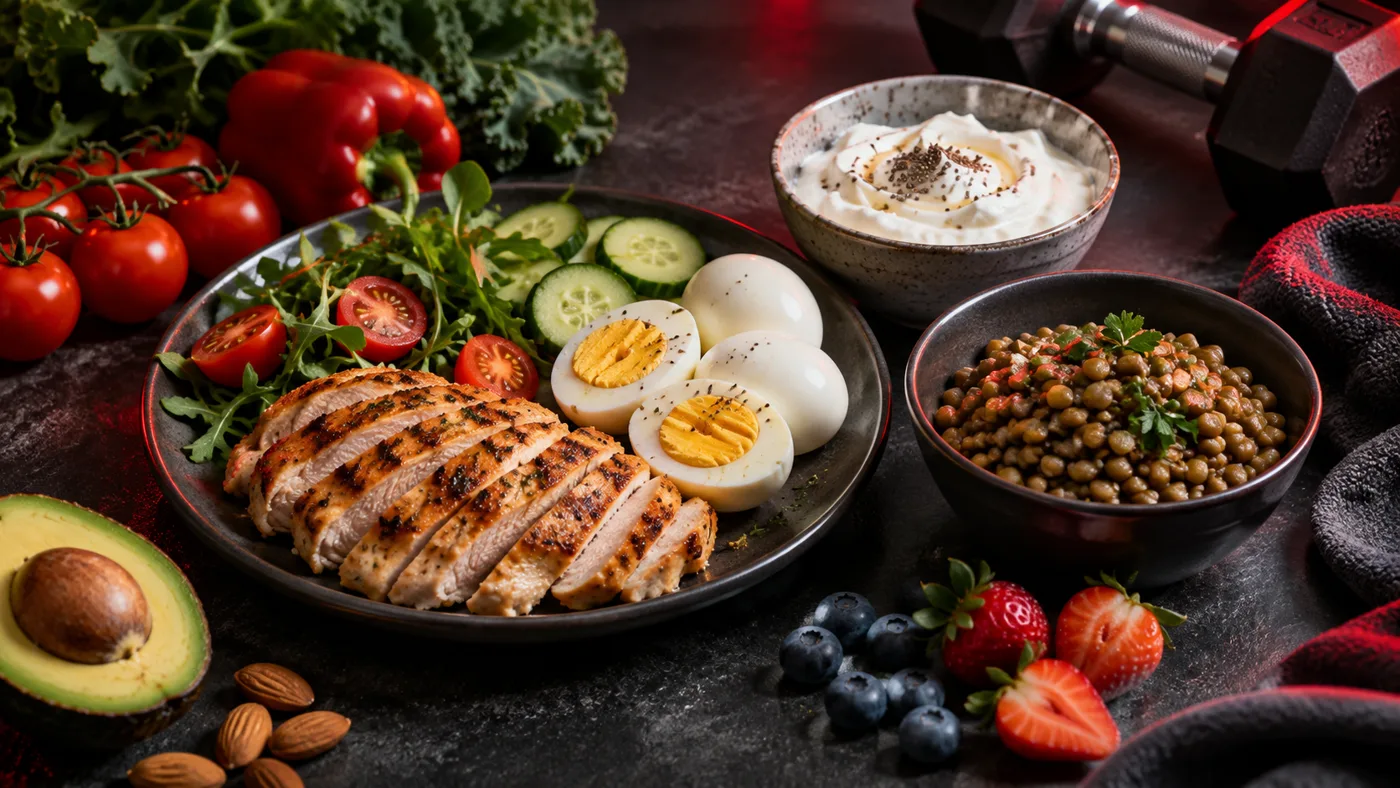
Protein supplies the amino acids your body uses to repair and build muscle. When regular resistance training challenges your muscles, adequate protein and total energy support recovery. Here is a practical way to estimate your daily needs and meet them through food.
How much protein do you need?
For most healthy adults who train regularly, the International Society of Sports Nutrition suggests approximately 1.4–2.0 grams per kilogram of body weight daily. That is about 0.64–0.91 grams per pound. Individual needs depend on activity, energy intake, age and health.
| Body weight | Example daily range |
|---|---|
| 140 lb | 89–127 g |
| 160 lb | 102–145 g |
| 180 lb | 114–163 g |
| 200 lb | 127–181 g |
| 220 lb | 140–200 g |
The ranges are rounded estimates calculated using 1 lb = 0.45359237 kg. They are starting points for regularly exercising adults, not prescriptions. A healthy adult weighing 165 lb (about 75 kg) might use approximately 105–150 g/day as a reference.
Estimate your protein and macros
Use the Muscle Max Methods Calorie & Macronutrient Calculator to estimate daily energy, protein, carbohydrate and fat. Enter your body weight, height, age, activity and goal. The tool is designed for healthy adults age 20 and older; review its assumptions and use the numbers as a flexible baseline.
Protein-rich foods and meals
A varied diet can provide the protein you need. Build meals with a protein source, produce, carbohydrates and fats to support training and overall health.
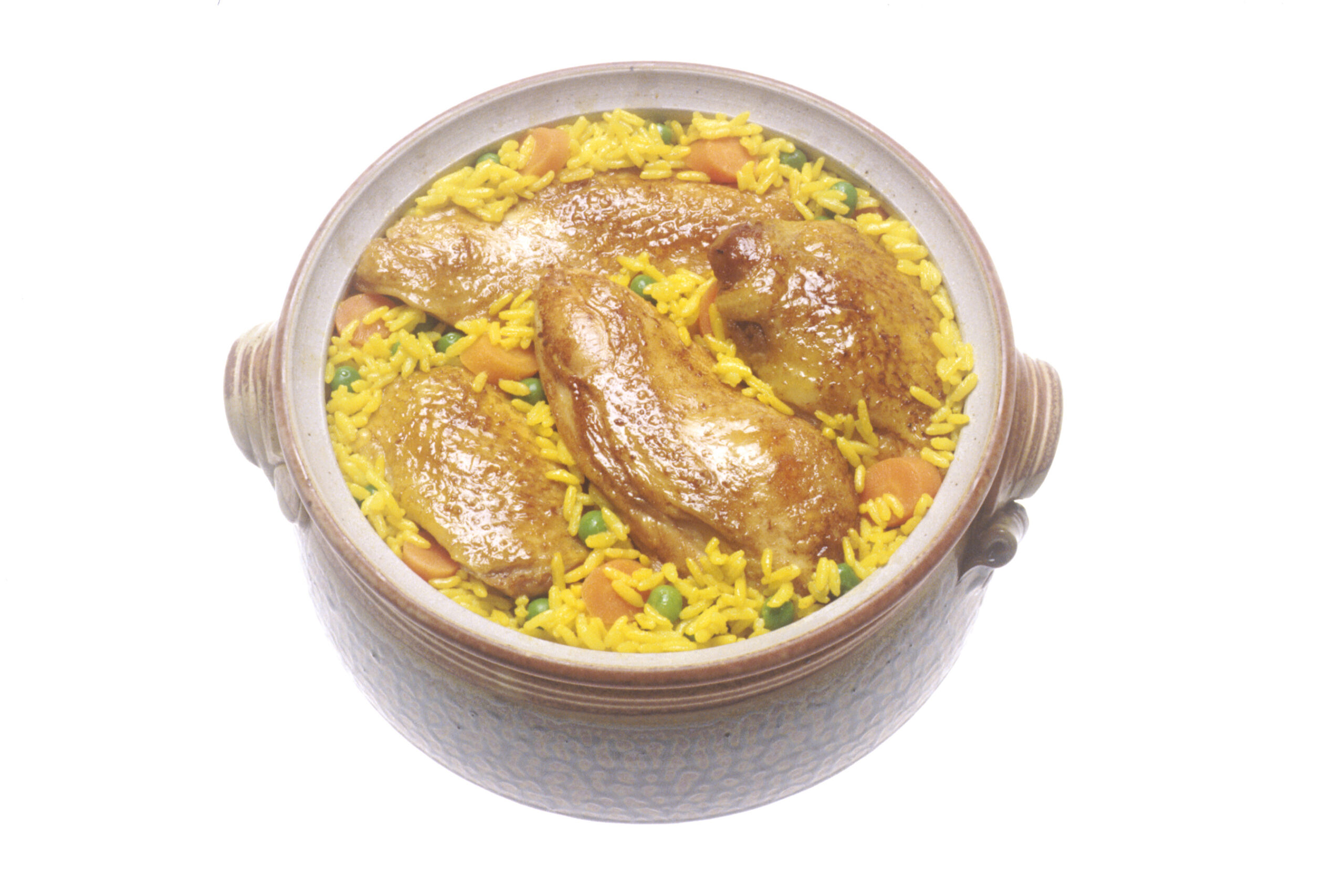

| Food group | Practical choices |
|---|---|
| Dairy and eggs | Greek yogurt, cottage cheese, eggs |
| Fish and poultry | Salmon, chicken, tuna |
| Plant proteins | Tofu, tempeh, lentils, beans, soy foods |
| Convenient snacks | Yogurt, roasted edamame, hummus and vegetables |
Sample day
Consider these meal ideas. Adjust portion sizes to your appetite, dietary requirements and the nutrition label on the foods you use.
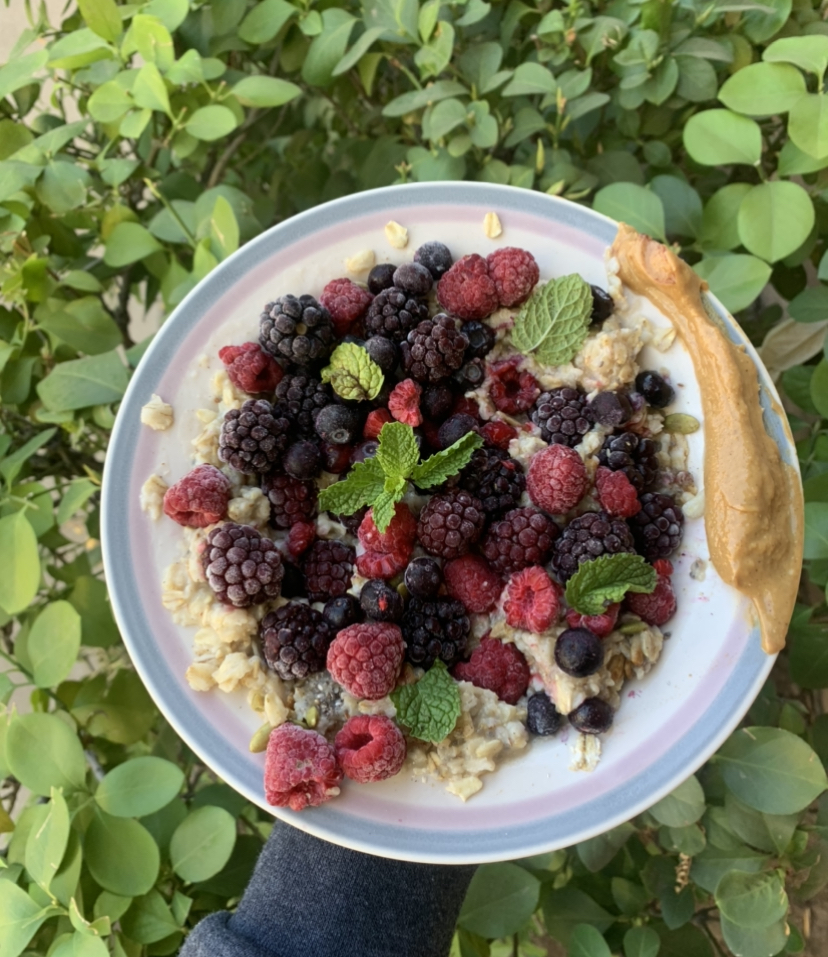

- Breakfast: oats, Greek yogurt and berries, with eggs or tofu on the side.
- Lunch: chicken or chickpeas with rice and mixed vegetables.
- Snack: cottage cheese or fortified soy yogurt with fruit.
- Dinner: salmon or tofu with potatoes, lentils and greens.
Does protein timing matter?
Distribute protein over the day in a pattern that fits your schedule. A protein-containing meal near training can be convenient, but your overall daily intake and regular meals are important. For more meal ideas, visit Meal Planning.
Do you need protein powder?
A powder may help when you cannot conveniently meet protein needs with regular meals. Compare protein per serving, allergens, ingredients and independent quality testing. See our protein powder comparison.
Putting it together
Track your training and recovery, then adjust food portions over time. People who have kidney disease or another condition that affects protein needs should consult a clinician or registered dietitian. If you’re beginning strength training, use the Muscle Building guide to create a manageable plan.
Leave a Reply